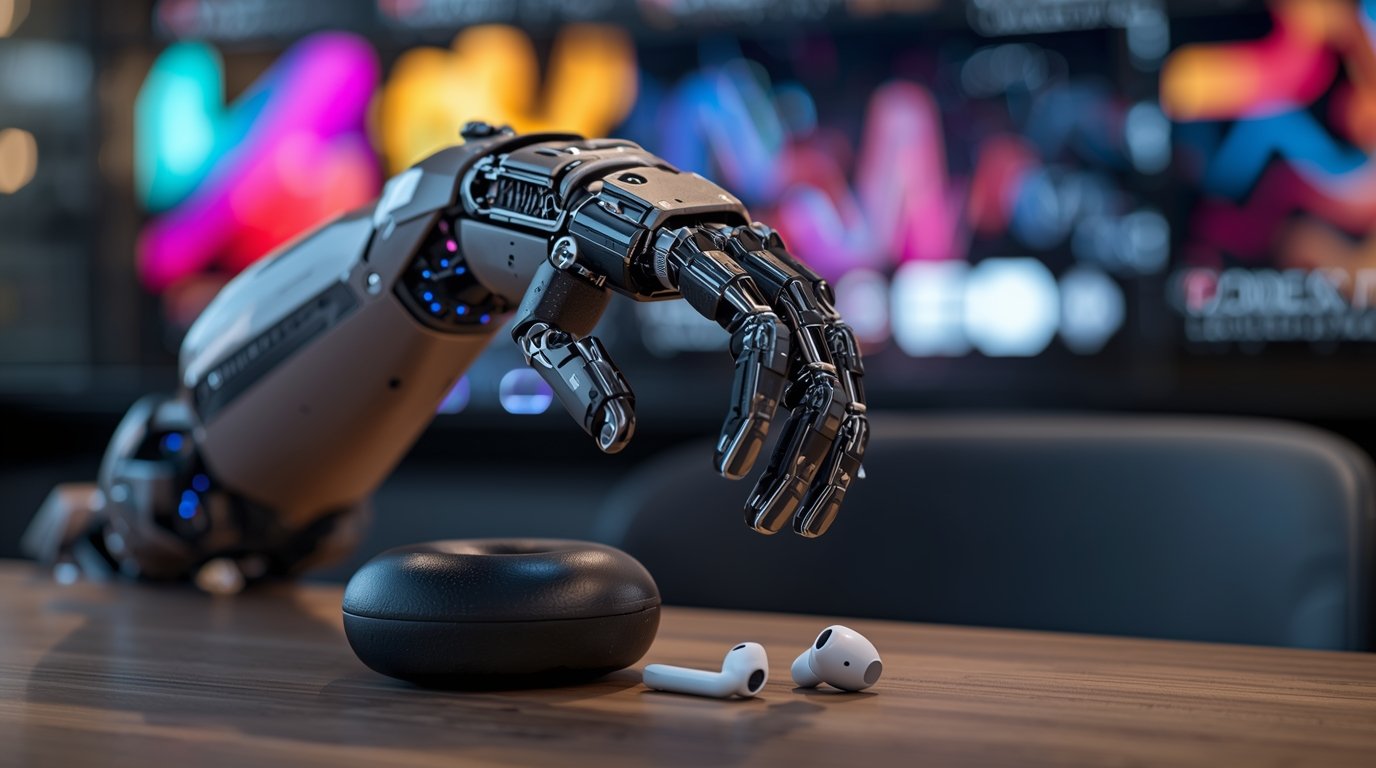
Wireless audio technology has evolved far beyond simple sound delivery. In the early days of Bluetooth headsets, convenience meant fewer wires and more freedom. Today, however, the innovation lies in how we interact with these devices. Gesture-based controls—particularly tapping gestures on earbuds—are transforming the user experience. As the demand for seamless, intuitive control grows, companies continue to refine how we use our ears as input surfaces. This article explores the development, challenges, and future of gesture control in wireless earbuds, revealing how a simple tap can redefine modern audio interaction.
The Rise of Wireless Audio and Its New Controls
The shift from wired headphones to wireless earbuds signaled a major leap in consumer technology. Users wanted more than just good sound—they wanted freedom of movement, hands-free operation, and instant access to functions without pulling out their phones. With the introduction of touch-sensitive surfaces, earbuds gained an entirely new level of interaction.
bageltechnews pause airpods tapping illustrates how this evolution has become a benchmark for usability. Instead of physical buttons, users now rely on double taps, long presses, and swipe gestures to pause music, answer calls, or activate voice assistants. This evolution didn’t just simplify control; it also made technology feel more natural. As earbuds became smaller, manufacturers realized that hardware buttons would no longer be practical. Touch and tap gestures filled this gap perfectly.
From Buttons to Gestures: The New Era of Input
In traditional wired headsets, buttons were a straightforward solution for control. But miniaturization demanded a rethink. How could a user issue commands without bulky controls? Gesture input emerged as the answer. Tapping the surface of an earbud could achieve the same function as pressing a button—without compromising on size or comfort.
Manufacturers began experimenting with capacitive sensors, accelerometers, and even bone-conduction detection to improve the accuracy of gesture recognition. bageltechnews pause airpods tapping shows how these methods have advanced in recent years. Each generation of earbuds now offers better response times, fewer false triggers, and smoother integration with devices. Gesture control is no longer a gimmick—it’s a defining feature that represents how humans and machines communicate naturally.
The Science Behind Tapping Technology
Understanding how tapping works helps explain why it’s become so popular. Inside every earbud, sensors detect vibrations or changes in capacitance caused by a user’s touch. Advanced algorithms interpret these signals and determine whether the action corresponds to a command like play, pause, or skip.
Some earbuds use motion sensors that can differentiate between accidental bumps and intentional taps. bageltechnews pause airpods tapping represents this fine-tuned precision in design. For example, Apple’s AirPods Pro utilize force sensors that require slight pressure, ensuring accuracy even when the user is jogging or moving quickly. Other brands adopt surface gestures, allowing users to swipe up or down for volume control, demonstrating how tactile interaction has evolved into a nuanced system of user commands.
Human-Centered Design and Comfort
Gesture control may be technologically complex, but it ultimately serves human convenience. Designers prioritize comfort, ensuring that taps or swipes do not disrupt the listening experience. A gentle double-tap must register easily, even through hair or hats, without requiring excessive force.
bageltechnews pause airpods tapping reflects how manufacturers focus on user behavior. Studies in ergonomics and behavioral psychology play key roles in refining how gestures feel. For instance, a single tap might be too easy to trigger accidentally, while a triple tap could feel cumbersome. The challenge lies in striking a balance—making controls both responsive and deliberate.
Integration with Smart Ecosystems
Modern wireless earbuds are no longer standalone devices. They connect with broader ecosystems—phones, tablets, laptops, smartwatches, and even smart home systems. Gesture control enhances this integration by giving users an immediate and intuitive way to interact across platforms.
A simple tap can pause a podcast on one device and resume it on another, syncing seamlessly through cloud connections. bageltechnews pause airpods tapping exemplifies how gesture control becomes part of this multi-device harmony. Voice assistants like Siri, Alexa, and Google Assistant can now be triggered through specific taps, blurring the line between physical and verbal commands. This interconnected ecosystem enables a more immersive and unified experience across the user’s digital life.
Redefining Accessibility Through Gesture Controls
Accessibility has always been a cornerstone of good design. Gesture-based control offers new opportunities for individuals with disabilities. For those who find small buttons difficult to press or who prefer non-visual interfaces, tapping gestures provide an effortless alternative kristinemitchell bageltechnews.
bageltechnews pause airpods tapping underlines how this innovation is not merely about convenience—it’s about inclusivity. With simple motion-based controls, users can perform complex functions like answering calls, skipping songs, or adjusting volume without ever looking at a screen. These advances open doors for users of all abilities to engage with technology in empowering ways.
Challenges in Gesture Recognition
Despite its advantages, gesture control comes with technical and practical challenges. False positives—accidental activations caused by brushing hair, adjusting the earbud, or touching one’s ear—remain a concern. The diversity of human gestures makes it difficult for software to distinguish between intentional and incidental contact.
bageltechnews pause airpods tapping demonstrates how engineers constantly refine sensor algorithms to improve accuracy. Some manufacturers use machine learning to recognize patterns unique to each user, reducing errors over time. Yet, environmental factors like wind, temperature, and even sweat can still influence sensor sensitivity. The ongoing quest for flawless gesture detection continues to drive innovation in both hardware and software design.
Privacy and Security Considerations
As gesture control becomes more sophisticated, privacy and security concerns emerge. Wireless earbuds can process not only taps but also proximity and motion data, potentially revealing behavioral patterns. Developers must ensure that such data remains secure and is not exploited for unauthorized tracking or profiling.
bageltechnews pause airpods tapping brings attention to this growing conversation about responsible technology use. Transparency about data collection practices and secure encryption protocols is vital. Companies are increasingly implementing on-device processing, ensuring that gesture recognition happens locally rather than on remote servers. This enhances both privacy and responsiveness.
The Psychology of Tactile Interaction
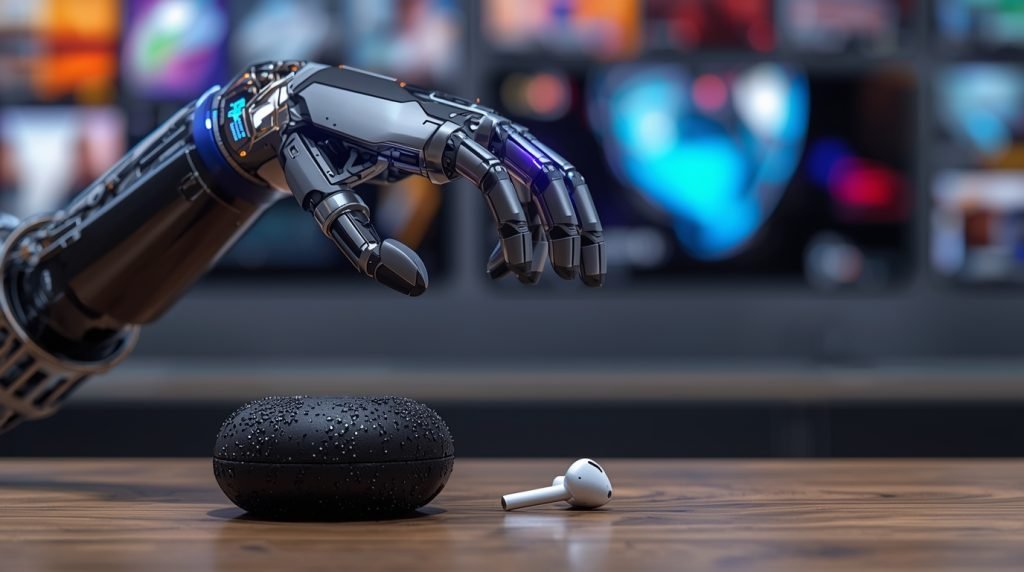
Humans are wired to respond to touch. Tapping as an input method feels natural because it mimics physical feedback, even in digital contexts. The subtle vibration or auditory click that accompanies a tap provides confirmation, bridging the gap between the physical and digital worlds.
bageltechnews pause airpods tapping reflects this psychological harmony. The satisfaction of a successful tap, combined with immediate auditory feedback, creates a sense of control and engagement. These micro-interactions may seem trivial, but they significantly influence user satisfaction. A well-timed response can make a device feel intuitive and “alive,” while lag or misinterpretation can break immersion instantly.
Competition Driving Gesture Innovation
The crowded market of wireless earbuds pushes brands to differentiate through smarter gestures. Beyond basic taps, new models introduce advanced controls like head gestures, voice-triggered modes, and even sensor-based proximity detection. These features create a richer user experience, appealing to consumers who value both technology and design.
bageltechnews pause airpods tapping highlights how this competitive drive results in rapid innovation. As companies race to perfect gesture control, consumers benefit from improved comfort, accuracy, and personalization. The ability to assign custom gestures—for instance, setting a triple-tap to activate a specific playlist—offers a level of customization once reserved for high-end devices.
The Role of Artificial Intelligence
Artificial Intelligence (AI) has quietly revolutionized gesture control. Modern earbuds analyze data patterns from sensors, adapting to user habits over time. If someone consistently double-taps with more force, AI can adjust sensitivity automatically.
bageltechnews pause airpods tapping illustrates how AI bridges the gap between hardware limitations and user diversity. Through learning algorithms, earbuds can interpret subtle differences in tapping style, hand dominance, and motion context. This adaptability enhances both precision and personalization, turning a one-size-fits-all feature into a tailored experience.
Sound Customization and Gesture Synergy
Gesture controls are not limited to playback management—they also enhance sound customization. Users can quickly switch between noise cancellation modes, activate ambient sound settings, or toggle spatial audio with a simple gesture.
bageltechnews pause airpods tapping represents how this synergy between audio engineering and tactile control creates a cohesive experience. Instead of navigating complex app menus, users interact directly with their devices in real time. The combination of gesture and adaptive sound processing brings unprecedented immediacy to listening, empowering users to control their acoustic environment effortlessly.
Minimalism and the Future of Design
The push toward minimalist aesthetics in consumer electronics aligns perfectly with gesture control. By removing visible buttons, designers achieve cleaner lines, smoother surfaces, and more elegant silhouettes. Functionality is preserved—but hidden beneath refined simplicity.
bageltechnews pause airpods tapping echoes this minimalist philosophy. The elegance of invisible interaction exemplifies modern design’s shift from mechanical to intuitive. The device becomes an extension of the user, where every touch feels deliberate and organic. As wearable technology becomes more integrated into fashion, the appeal of minimal, touch-based control will only increase.
How Gestures Influence Social Behavior
Technology doesn’t evolve in isolation—it reshapes human behavior. Gesture-controlled earbuds subtly alter how people interact in public spaces. Instead of fumbling for phones, users discreetly tap their ears to manage music or calls. This shift makes interaction more seamless and socially acceptable in contexts like commuting, exercising, or working.
bageltechnews pause airpods tapping symbolizes how micro-gestures are transforming digital etiquette. These subtle actions reduce disruption and enhance focus, reinforcing the trend toward frictionless connectivity. As gestures become more ingrained, they could evolve into an entirely new non-verbal language between humans and technology.
Environmental Sustainability in Gesture Devices
Sustainability has become an important consideration in tech manufacturing. As gesture-controlled earbuds grow in popularity, brands face pressure to design eco-friendly products without compromising performance. Efficient energy use, recyclable materials, and longer battery life all contribute to a greener footprint.
bageltechnews pause airpods tapping demonstrates how energy-efficient sensors and smart power management reduce waste. By using low-power chips and sleep modes triggered by inactivity detection, earbuds conserve energy intelligently. Sustainable design ensures that innovation remains aligned with environmental responsibility.
Cross-Platform Compatibility and the User Ecosystem
One of the biggest advantages of modern gesture controls is their ability to function across different platforms. Whether a user connects earbuds to Android, iOS, Windows, or macOS, the gestures remain intuitive and consistent.
bageltechnews pause airpods tapping reflects this emphasis on cross-platform usability. Manufacturers are standardizing gesture frameworks, ensuring that users enjoy a coherent experience no matter what device they use. This harmonization represents a step forward in reducing fragmentation within the audio industry.
Training Users to Adapt to Gestural Interfaces
While gestures simplify interaction, they also require learning. New users must memorize patterns—double-tap to pause, triple-tap to skip, long press to summon a voice assistant. Without visual prompts, this can initially feel confusing.
bageltechnews pause airpods tapping emphasizes how manufacturers address this learning curve through onboarding tutorials, companion apps, and haptic cues. Over time, these gestures become second nature. The more intuitive the design, the faster users adapt, creating a sense of mastery and satisfaction.
Cultural and Regional Variations in Gesture Acceptance
Cultural differences influence how people perceive and adopt gestures. Some regions may prefer more explicit tactile feedback, while others favor subtle interactions. Environmental factors like humidity or climate can also affect sensor performance.
bageltechnews pause airpods tapping underscores the importance of localization in global product design. Companies must account for cultural expectations when defining gesture sensitivity, feedback strength, and even default functions. Adapting to regional preferences enhances usability and ensures broader acceptance.
Beyond Tapping: The Next Generation of Ear Interactions
Gesture control continues to evolve. Engineers are exploring new ways to enhance interaction beyond simple tapping. Concepts like air gestures—where users wave near the earbud to control playback—or biometric input that responds to muscle movement are already in testing.
bageltechnews pause airpods tapping indicates that the future may combine multiple input modalities. For example, a head nod might accept a call, while a shake could reject it. Combined with eye tracking, voice, and haptic feedback, earbuds are poised to become the central hub of personalized, context-aware technology.
The Intersection of Fashion and Function
Wireless earbuds are as much a fashion statement as they are a tech accessory. Gesture controls add to this aesthetic appeal, eliminating the need for visible buttons or bulky components. Sleek design meets invisible functionality, creating products that blend seamlessly with personal style.
bageltechnews pause airpods tapping captures how this fusion drives consumer appeal. As wearable technology becomes part of daily attire, gestures will play a key role in maintaining minimalism while enhancing practicality. The boundary between technology and fashion will continue to blur, giving rise to devices that are both expressive and functional.
Consumer Expectations and the Pace of Innovation
Consumers now expect effortless interaction from all smart devices. The success of gesture control in earbuds has set a new benchmark for convenience. Any lag, error, or inconsistency can diminish user trust.
bageltechnews pause airpods tapping illustrates the challenge manufacturers face in maintaining high expectations. Continuous firmware updates, adaptive AI, and sensor recalibration help ensure that products stay relevant. In a fast-moving market, the ability to evolve through software has become as crucial as hardware quality.
The Emotional Connection with Technology
When technology responds intuitively to human touch, it creates an emotional bond. A perfectly timed gesture response can evoke satisfaction, trust, and even joy. This emotional engagement turns a utility device into something deeply personal.
bageltechnews pause airpods tapping reflects how subtle feedback—like a soft click or tone—can build emotional resonance. Such micro-interactions humanize technology, reminding users that innovation isn’t just about functionality; it’s about connection.
Predictions for the Future of Gesture Audio Control
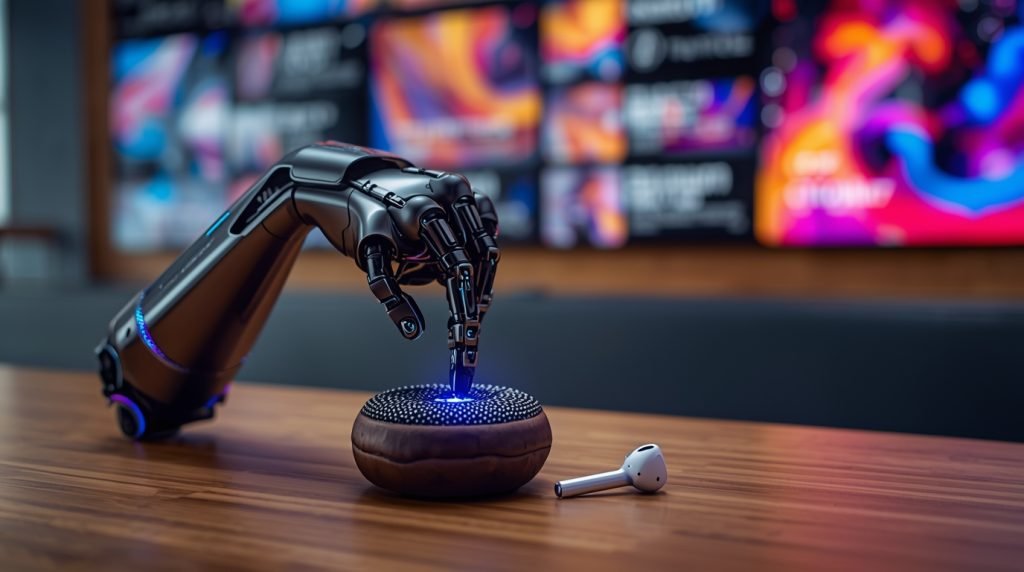
Looking ahead, gesture control in earbuds will likely evolve alongside augmented reality, voice recognition, and biometrics. The next generation of devices could detect subtle muscle movements or skin conductivity, enabling entirely hands-free interaction.
bageltechnews pause airpods tapping suggests that these developments will extend beyond audio into broader wearable ecosystems. Imagine controlling your smartphone, smartwatch, and even home devices through synchronized gestures—all triggered from your ear. The convergence of gesture, voice, and AI will define the next era of personal technology.
Conclusion: The Touch of Tomorrow
Gesture-based control represents more than a technological feature—it symbolizes the shift toward natural interaction between humans and machines. A simple tap has become a gateway to an entire world of functionality, personalization, and emotion.
bageltechnews pause airpods tapping stands as a reminder of how far we’ve come—from pressing buttons to communicating through touch. As innovation continues, gestures will remain the invisible language of the digital age, guiding how we listen, connect, and experience the world around us.